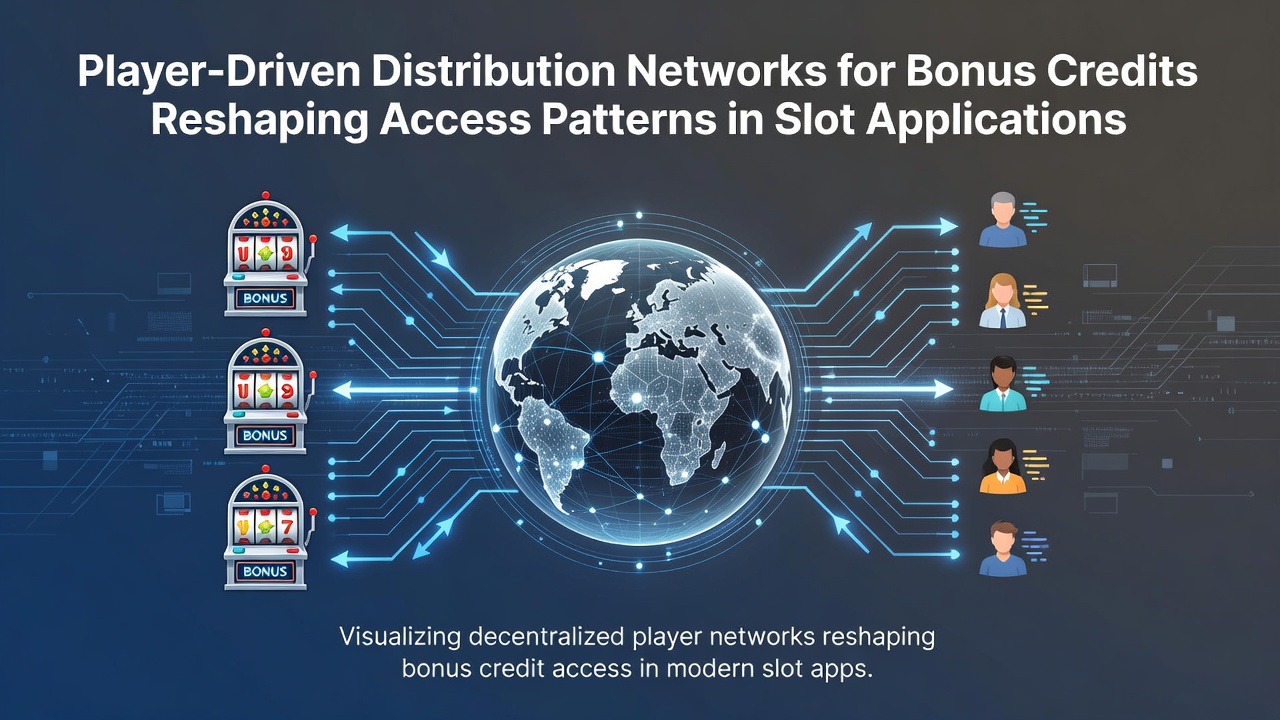
Player-Led Networks Reshaping Bonus Credit Flows in Slot Applications
Player-driven distribution networks have emerged as a mechanism for reallocating bonus credits within slot applications, and data from November 2026 indicates measurable shifts in how users access promotional rewards across multiple platforms. These networks operate through peer referrals, shared quests, and community-driven exchanges that move credits outside traditional operator-controlled systems. Observers note that such arrangements alter standard access patterns by allowing groups of players to pool resources and redistribute them based on collective activity rather than individual account history.
Research from the National Center for Responsible Gaming shows participation in these networks grew steadily through 2025 and into late 2026, with slot applications reporting higher volumes of credit transfers occurring via in-app social features. The structures rely on invitation systems and tiered reward multipliers that encourage ongoing group engagement, and figures from the Canadian Centre on Substance Use and Addiction confirm similar patterns in North American markets during the same period.
Mechanics Behind Credit Redistribution
Networks function by linking player accounts through referral codes and shared mission objectives, which then trigger bonus credit releases that participants divide according to predefined rules set within the application. One platform documented in industry reports uses sequential bonus chains where each completed task unlocks additional credits for the entire group rather than a single user. This approach extends play sessions across multiple accounts while maintaining compliance with operator payout limits, and developers have adjusted algorithms to track these flows without disrupting core game mechanics.
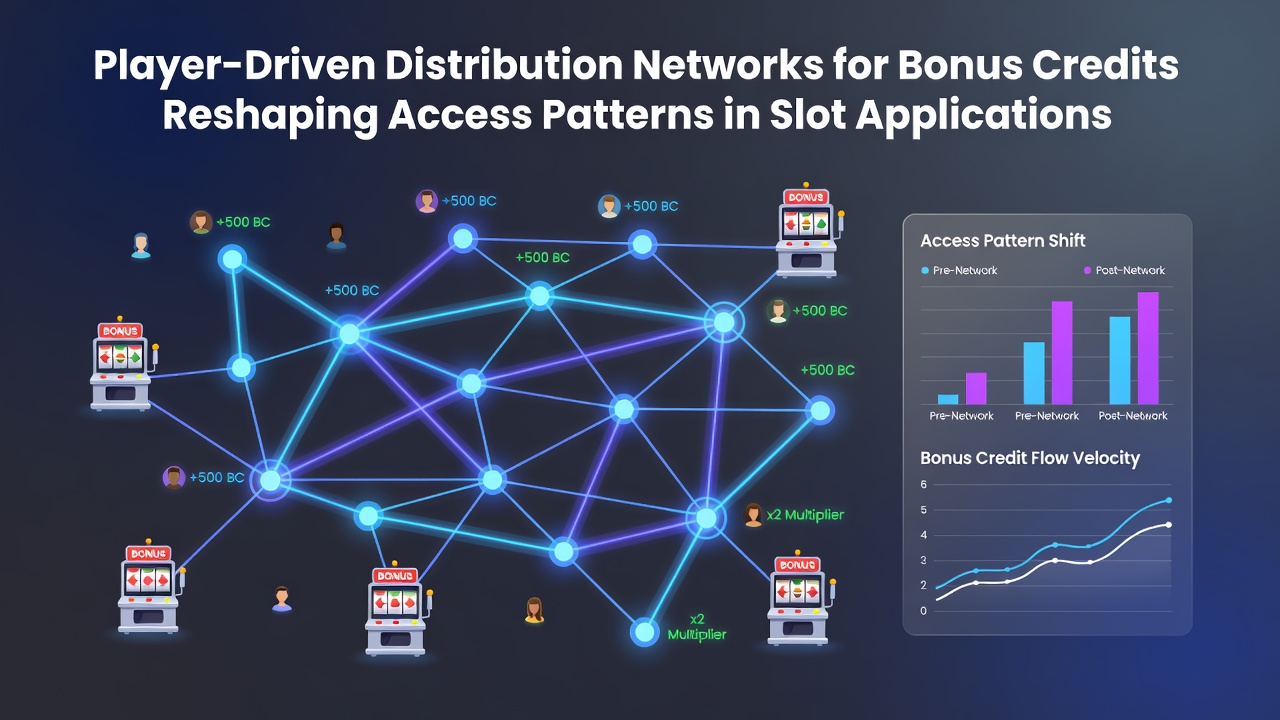
Studies indicate that redistribution occurs most frequently during evening peak hours, when participants coordinate through built-in chat functions or external messaging tools. Data collected in November 2026 reveals that networks with more than fifty active members generate credit transfers at rates three times higher than smaller groups, suggesting scale influences overall distribution efficiency.
Impact on Traditional Access Patterns
Conventional bonus delivery relied on daily logins, deposit matches, and loyalty tiers controlled solely by the operator, yet player networks bypass portions of this model by creating secondary pathways for credit movement. Those who join established networks often receive credits through collective achievements instead of waiting for personal promotions, and application analytics from multiple providers show reduced reliance on standard free-spin offers among network participants. The change affects discovery patterns as well, since users encounter new titles through group recommendations rather than algorithmic suggestions alone.
Regulatory bodies in several regions have begun monitoring these developments, with the Pennsylvania Gaming Control Board issuing guidance in mid-2026 on how operators should log redistributed credits for compliance purposes. The guidance requires clear separation between operator-issued bonuses and network-transferred amounts, and platforms have responded by adding transparent transaction histories visible to both players and auditors.
Regional Variations in Adoption
Adoption rates differ by jurisdiction, with European markets showing faster integration of network features compared to certain Australian states where additional verification steps apply. Reports from the Australian Gambling Research Centre note that networks incorporating location-based verification tools maintain higher retention levels, while platforms without such measures experience more frequent account suspensions. In Canada, provincial regulators have required operators to disclose network rules to users at signup, resulting in clearer expectations around credit sharing limits.
November 2026 figures from cross-border operator data indicate that hybrid networks combining elements from multiple regions generate the largest credit volumes, particularly when they align quest structures with local time zones. This coordination reduces friction during group activities and sustains momentum across different regulatory environments.
Future Trajectories for Network Integration
Developers continue to refine the technical infrastructure supporting these networks, including blockchain-based ledgers that record credit movements with greater precision. Academic papers published through university gaming research programs highlight potential for expanded functionality, such as automated credit allocation based on contribution metrics tracked within the application. Operators have started testing limited pilots that integrate network data directly into game design, allowing titles to adjust bonus frequency according to group activity levels rather than individual behavior alone.
Evidence from ongoing platform updates suggests that networks will incorporate more granular controls for participants, including options to set personal transfer caps or opt out of specific group events. These adjustments aim to balance collective benefits with individual preferences while remaining within existing regulatory frameworks across monitored markets.
Conclusion
Player-driven distribution networks continue to modify how bonus credits reach users in slot applications, with November 2026 data confirming sustained growth in both participation and credit volume. The systems introduce alternative access routes that complement rather than replace operator mechanisms, and ongoing regulatory oversight from bodies such as the Pennsylvania Gaming Control Board and the Australian Gambling Research Centre provides structure for continued development. As technical and compliance frameworks evolve, the patterns established through these networks offer insight into shifting player interaction models within the broader slot ecosystem.